It's simply so, it won't throw a trouble code.
Hydraulic Pressure is are monitored and if pressure is low when the pedal is pushed, it will throw a trouble code in the ECU.

I think this method is for totally draining all the fluid out of the braking system and flushing it with a cleaner then refilling the whole system again and purging all the air out of the system at the callipers. It is what I said earlier all smoke and daggers. Confusing isn’t it. That is why I am asking the question anyone ever have to disconnect the battery terminal and disengage the sensor at the master cylinder on the Hyundai I30N.I am not sure i get all this...
In step 3 you remove the fluid from the reservoir, and on step 4 you press the foot brake in order to empty the fluid from the brake tubes. In between those two steps shouldn't you fill the master cylinder with fresh fluid ?

the minimum thickness is usually stamped on the disk edge, have a look.I have replaced my front brakes (both discs and pads) with EBC variant. For now I'm planning to use them and although the original front pads are pretty much completely gone, based on my limited knowledge of the subject the original stock disks seem to be usable later on with some repair. I think it's called brake skimming(?). So I intend to do them, and keep them as spare.
First of all can it be done with the stock disks? I heard arguments with both pros and cons as well.
My second question is if where can I find the minimum allowed disk thickness to determine if it has enought left - so I can check them myself so I can spare visiting they company for something they won't do anyway if it's too thin already -? I read it's supposed to be on the edge (at least for some disks), but I can't find them. It might be there behind multiple layers of rust, brake dust, etc, but not exactly visible without cleaning the edge.
My search yielded no result, but sorry if this has been mentioned somewhere already.

You haven't read the whole post, have you?the minimum thickness is usually stamped on the disk edge, have a look.
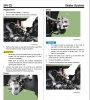
The BR-32 instruction 4 tells you the recommended sequence.I would simply vacuum out of the reservoir as much as fluid possible, fill with new fluid and start opening the bleeders (furthest to closest) until i see the new fluid (top up in between). The vast majority will be new fluid.
What are the disks like, modern pads seem to eat them.Have to say I'm impressed with the factory brake pads. Checked them at my last service (20 000km) and they have about 50% material left. Considering how I drive, that's amazing. I've never had pads last this long. Never heard any noise from them either. Pretty good when it comes to brake fade as well (I don't track it ever). I'm starting to consider paying the absurd amount they cost (750 Euro for all four) when the factory ones are done.
Or should I go with EBC Yellow Stuff like I originally planned?
Didn't check to be honest. I've never had disks last less than 60k km so I assumed they have plenty of life left. I'll have them measured when I put winter tires on.What are the disks like, modern pads seem to eat them.
Hi mate,I will install my kit tomorrow (2000€) and can give some feedback soon.
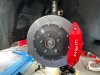
Kit includes 6-piston lightweight calipers, 365mm ventilated, 2-piece and floating discs, brackets, EBC Yellowstuff brake pads and brackets for calipers. I choosed 365mm discs because it is the biggest you can use with most of 18” wheels.View attachment 14123
Standard brakes are pretty good, ive tracked mine afew times now and they never fade.
Higher temp pads and drilled discs all round would be a nice upgrade.